
Bassoon Reed Troubleshooting Tips & Tricks
Are you struggling with a new reed you just bought? If so, bassoonist Zachary Senick will give you a list of steps and tips to try out to make the reed play its best!
Ensure the Reed is Soaked Properly
In general, it is important to make sure the reed is fully soaked in order for it to play its best. Before you start playing, let the reed soak for at least a couple of minutes, fully submerged in fresh water. Using fresh water each time will help the reed last longer, so that bacteria does not develop in the water from the germs in your mouth left on the reed after playing.
Climate Considerations
If you live in a colder and drier climate, use warmer water when soaking the reed. Also, soaking the reed for a longer period of three to five minutes before playing can be helpful. This is also beneficial if the reed is new or has not been played in a while. This will allow the inside of the reed to become fully soaked, letting the whole reed freely vibrate.
Spitty Sounding Reed
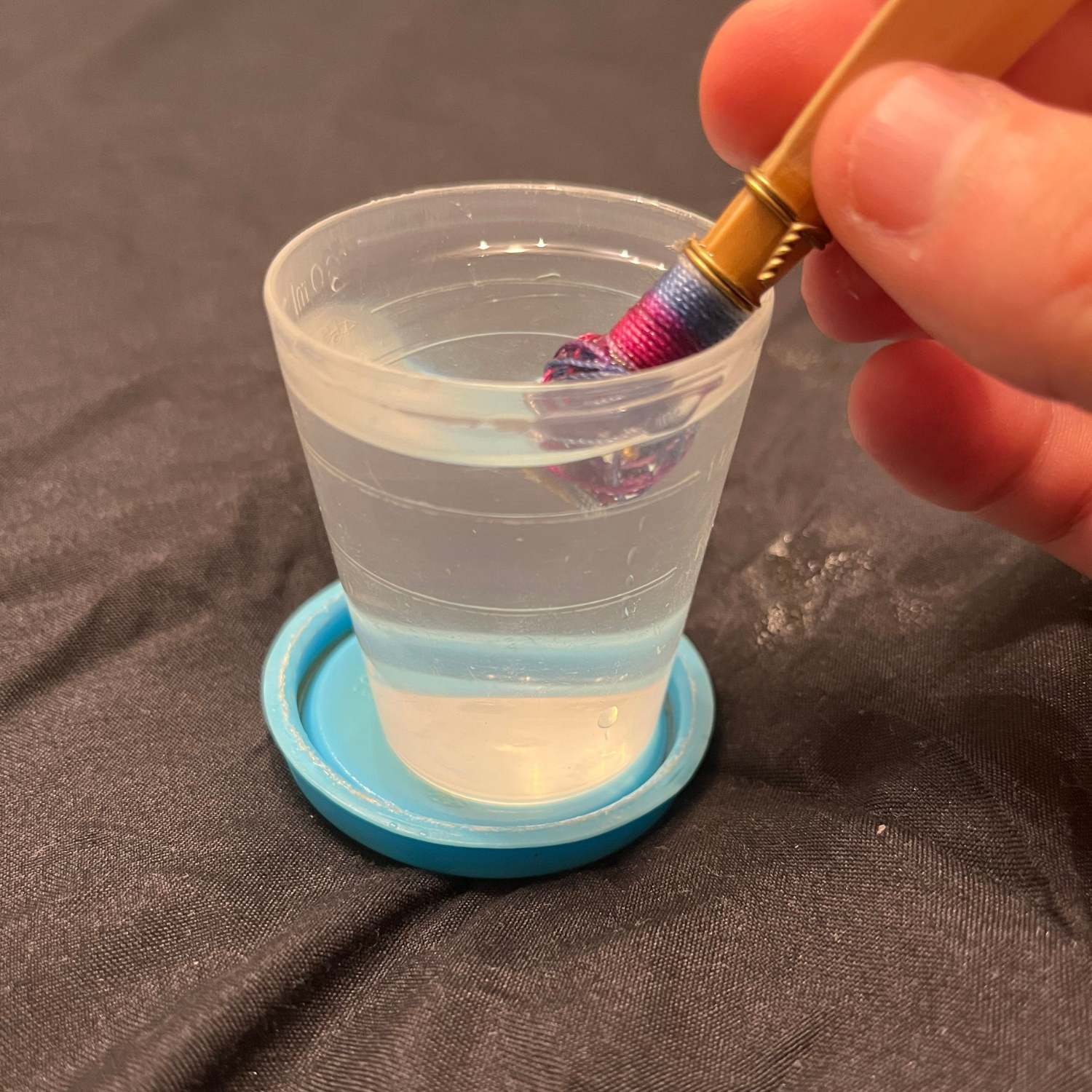
If you struggle with the reed sounding spitty, try dipping the butt end of the reed in the water first. Afterwards, submerge the reed tip fully into the water. By dipping the butt first into the water, it helps to push down any loose fibers on the inside of the reed, eliminating the spitty sound produced.
Reed Fitting Properly on Bocal
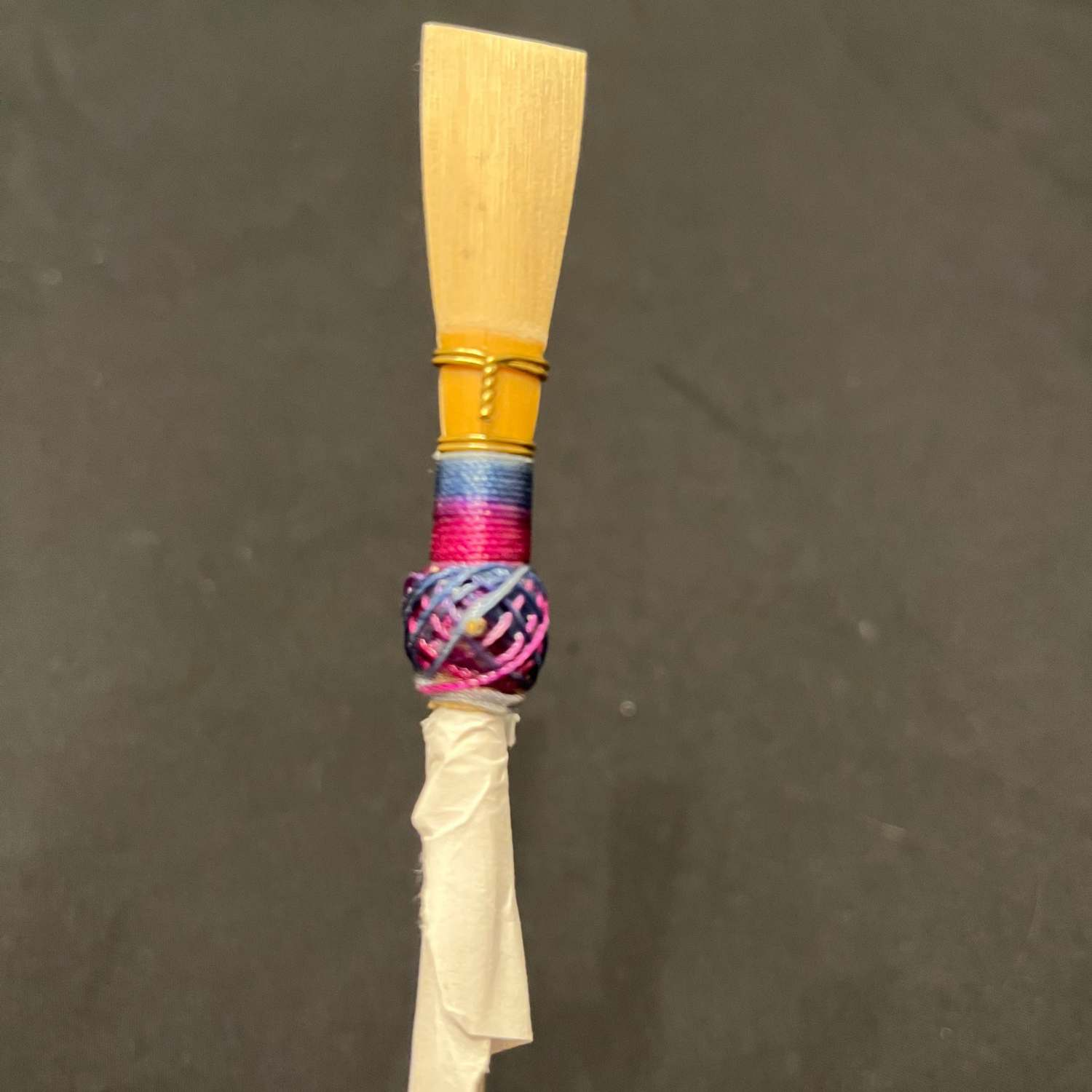
If the reed is too loose on the bocal try creating a stronger seal. First, wrap a small piece of paper around the tip of the bocal. Next, shake off any excess water from the butt of the reed. Then, place the reed on the paper to allow the paper to go inside the butt of the reed in order to create a better seal.
Secured Wires
Tightness of Wires
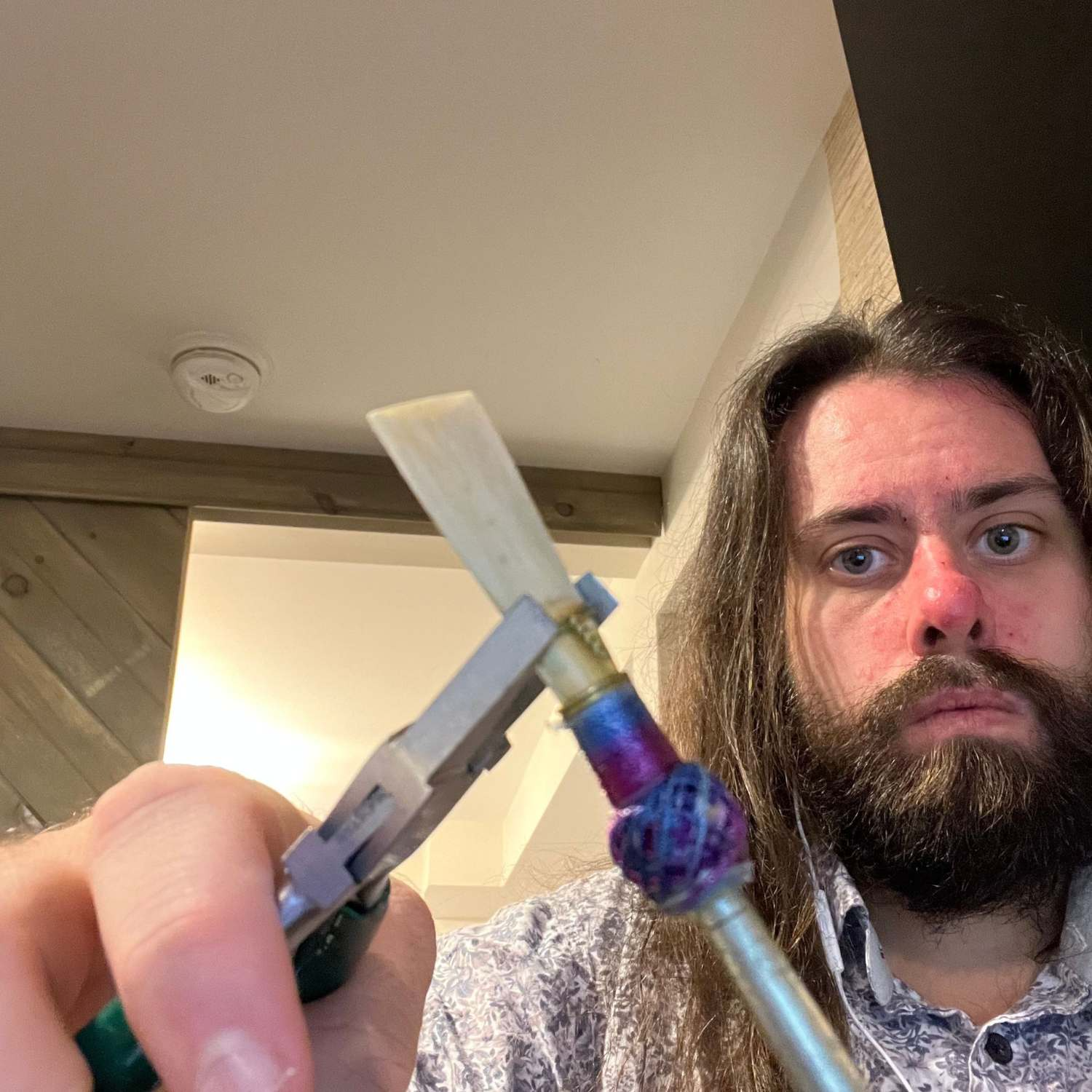
After soaking the reed, test to determine if the first and second wires are too loose. Try grabbing and moving the wires around with your fingers. If they easily wiggle around, that means they are too loose. Use a set of pliers to pull the wire outwards and tighten. The wires should snuggly hug the reed. Loose wires on the reed will negatively impact all elements of playing. Unfortunately, if the third wire is loose, it may be a sign of poor overall construction of the reed because the third wire is already sealed under thread, glue, or beeswax and can not be easily adjusted. This means the reed may not be salvageable.
Opening of the Reed
Use pliers to adjust the opening of the tip and throat of the reed. A bassoonist has to experiment with how much each reed needs in terms of squeezing the top and bottom versus the side of the reed at the first wire and second wire to achieve the optimal opening. Squeezing the first versus the second wire will give opposite effects. As well, squeezing the top versus the bottom will cause the opposite to occur. The adjustment of the wires will change the proportions of how open the tip is compared to the throat, creating a different amount of resistance, which will affect the tone, intonation, and ease of articulation.
In general, a more open tip will result in a more resistant reed and a lower pitch.
Remember, a small adjustment will make a big change to the reed. You can always put the reed back by doing the opposite of what you just did. For example, if you squeeze the sides of the first wire and do not like the change, then simply do the opposite by squeezing the top and bottom of the first wire to return it to its original state.
Refining the Reed Using Sandpaper
If the reed feels very resistant and difficult to blow, requiring a large amount of air, then try utilizing sandpaper to make the reed freer blowing. Using sandpaper across the entire blade of the reed will make the reed easier to play. This can be done by holding the butt of the reed or placing it on a mandrel, while rubbing sandpaper across the reed from top to bottom and left to right.
Thinning the Tip with Sandpaper
If the articulation and attack are difficult, this means that the tip of the reed may need to be refined. The first section to focus on is the corners of the reed near the tip.
Place sandpaper on a table and hold the reed against it at a slight angle. Use your finger to hold the corner of the reed against the sandpaper. Repeat this process by moving your hand to the other corner. Then flip the reed and repeat the process, while making sure to do all four corners evenly. It can be helpful to count to a certain number, such as “five.” Take a little bit off at a time and play-test it on your bassoon.
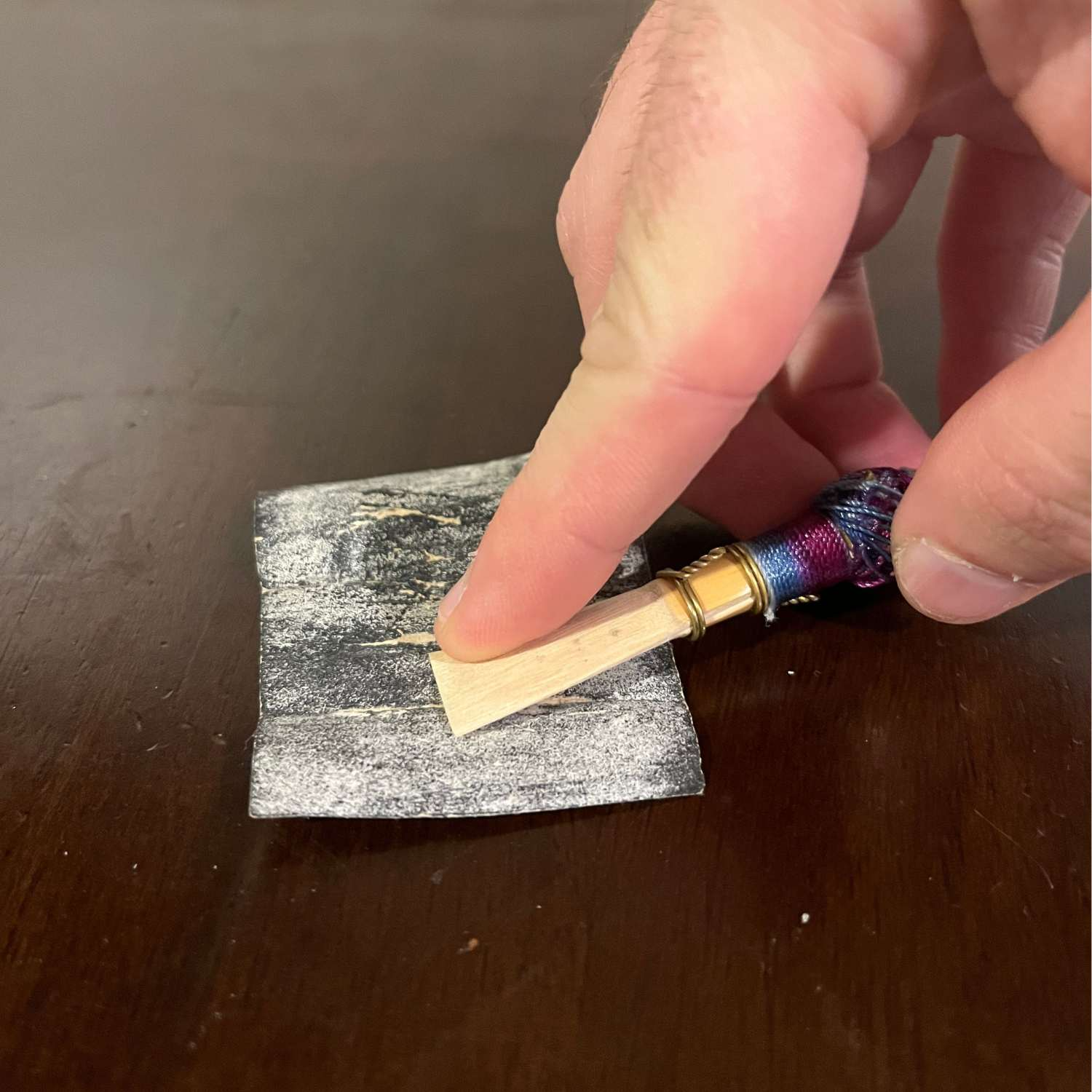
Second, go across the very tip of the reed with the sandpaper placed on a table.
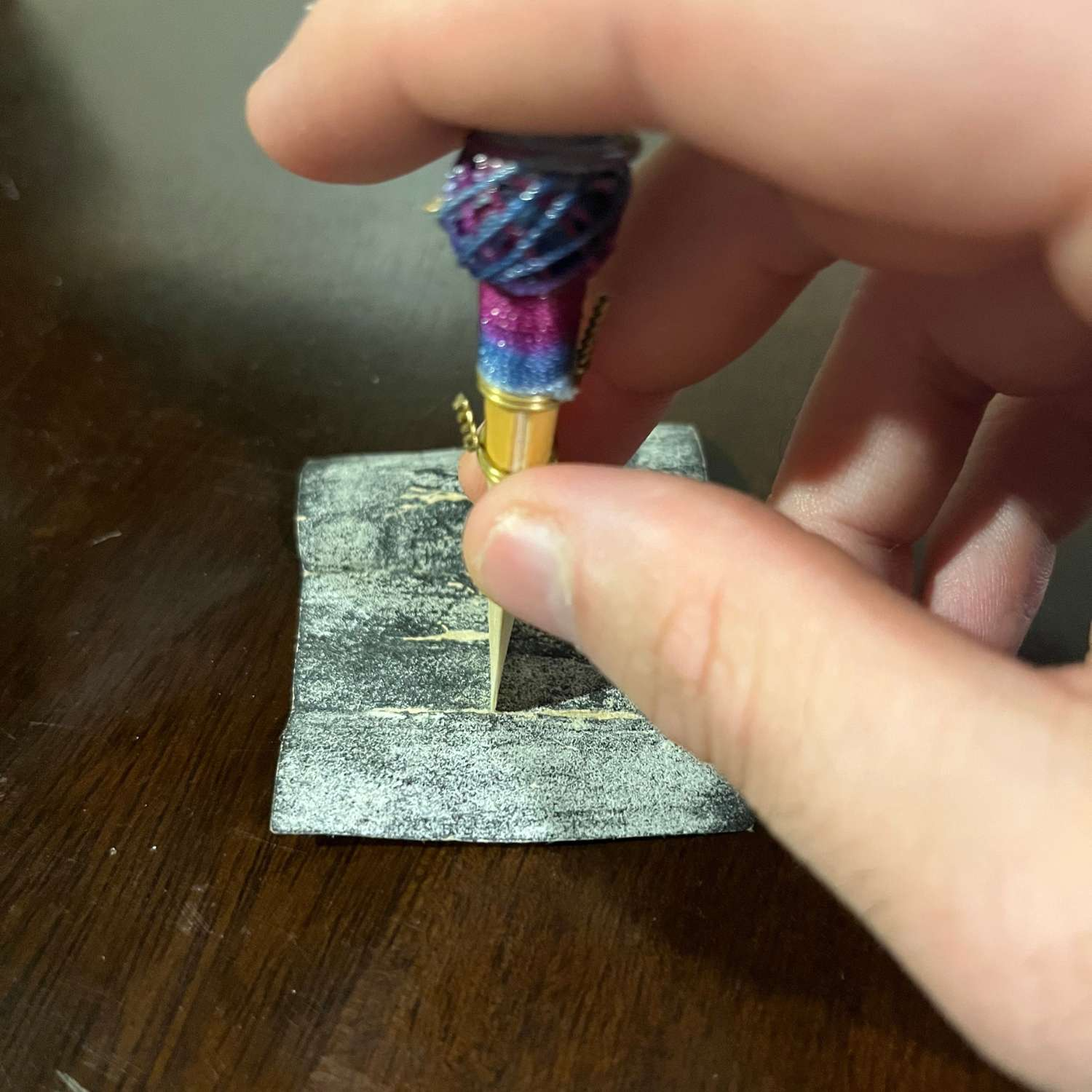
Both of these adjustments will help refine the tip of the reed, resulting in easier articulation and attack.
Fixing a Flat Reed
If the reed is flat and difficult to keep the pitch up, especially on the first finger E written in the staff then the reed will need to be clipped shorter. One can do this by using a razor blade against the tip of the reed on a cutting block. Only do a millimeter at a time until the pitch rises to the correct level. You can always clip it shorter, but you can not add more reed. Therefore, it is best to go slowly. One thing to note is that the reed may get more resistant after clipping. To combat this change use sandpaper across the tip of the reed to make it thinner and less resistant.
Bonus Tip for Old Reeds
If you have a reed at the end of its lifespan but desperately need it to work for a concert soon then you can try this to temporarily bring it back to life. Try soaking the reed for thirty seconds to a minute in hydrogen peroxide. The hydrogen peroxide will break down the gunk built up inside the reed fibers allowing the reed to vibrate more freely. However, this can only be once or twice and is used as a last resort. Make sure to rinse the reed in water before putting it into your mouth.
Conclusion
By implementing some small tips and tricks a bassoonist can improve the overall quality of their reed. A bassoonist can also use these suggestions as a checklist to try fixing and saving a reed before throwing it away. When a reed is not functioning how you would like, keep in mind if anything needs to be changed regarding the soaking, fit on the bocal, wires, tip opening, or the length to make the reed play its best!