
Density and Hardness, Explained
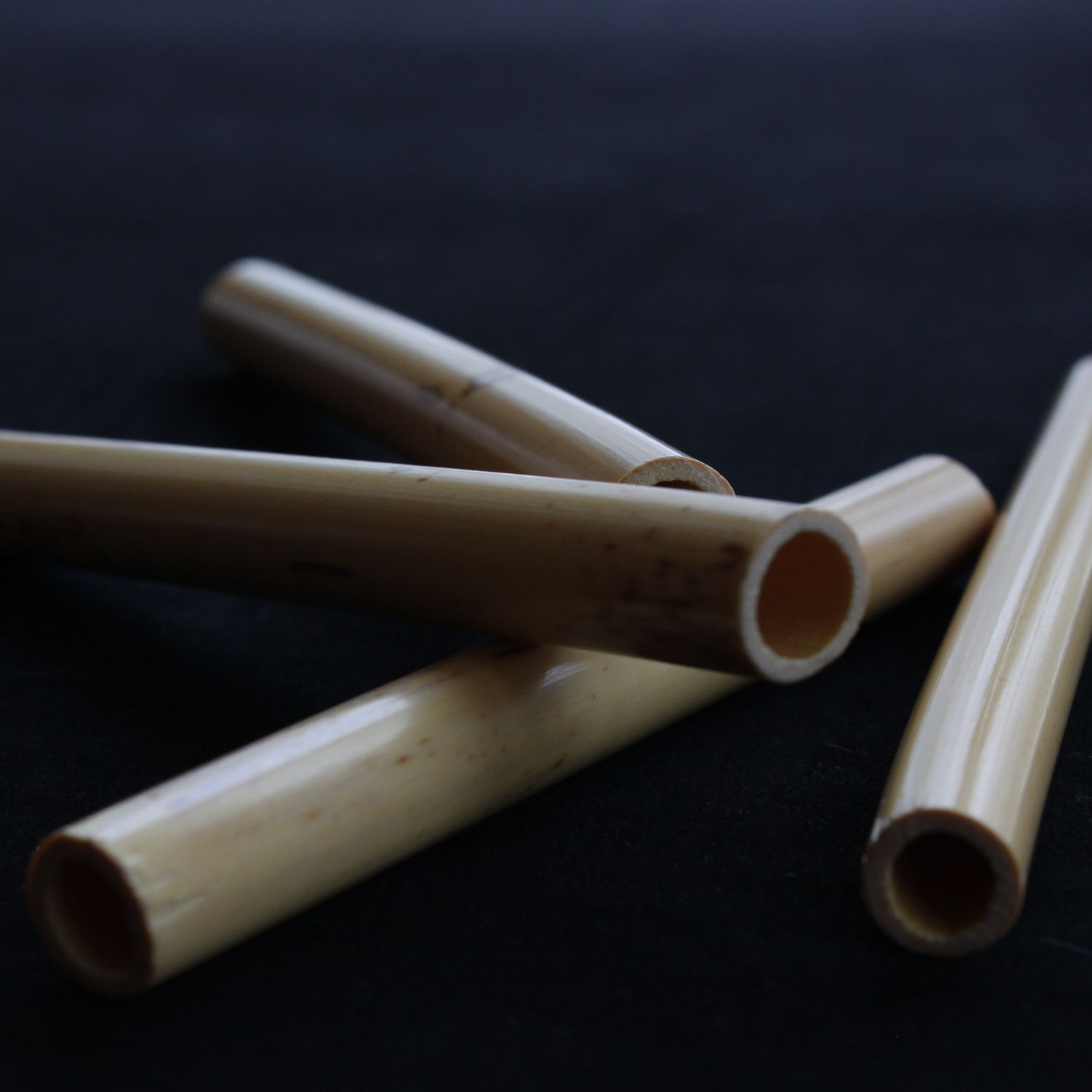
Are you starting to get more into reed making and wondering what impact the hardness and density of your cane can have on your reeds? Curious about what it actually means when people talk about cane being hard, soft, mushy, dense, or vibrant? Wondering if it’s worth it to buy a hardness or density testing machine? In this article, oboist Anna Betuzzi will walk you through the physics behind Arundo Donax (the scientific name for cane).
While Anna is an oboist, this topic could be of interest to anyone who uses reeds, including oboe, bassoon, clarinet, and saxophone players!
Read on to answer some FAQs about density and hardness.
What is Density?
Density is a scientific term measuring the mass/weight of a material against its volume. In other words, it measures how dense the material is.
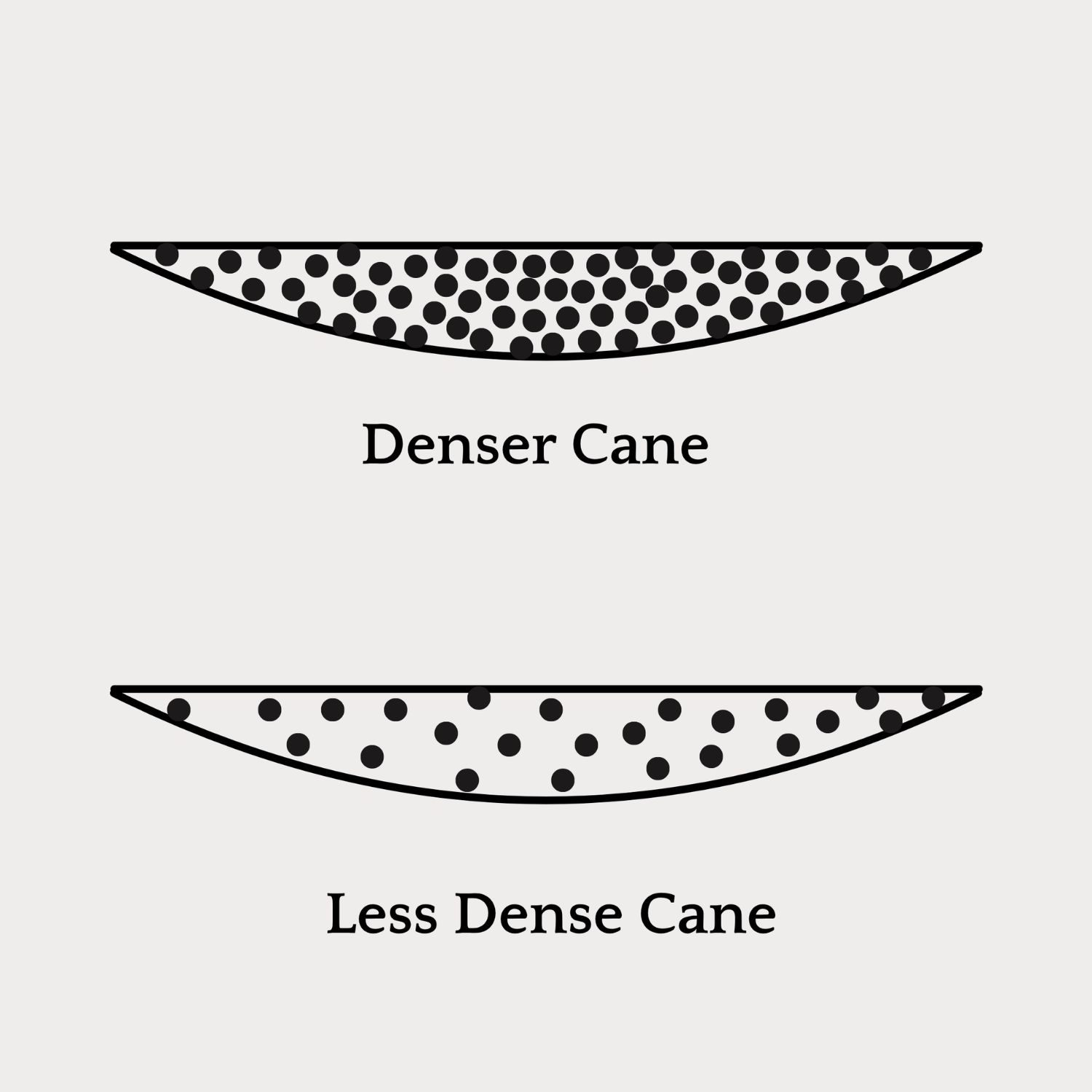
When we’re talking about cane, the density is determined by the concentration of fibrous bundles inside the cane. These fibrous bundles are essentially the veins of the plant and are more dense than the rest of the plant (with the exception of the bark).
To get a sense of its density, look closely at the cut end of a piece of cane, and notice the small circles. You can then compare how compact, or concentrated, these circles are between different pieces of cane. If the bundles are more compact, the piece of cane will be denser. If they are more spread out, the piece of cane will be less dense.
You can also look for the vertical lines on the flat surface of the reed, but this way it’s somewhat harder to get an actual sense of the density.
Here’s what a denser and a less dense piece of cane will look like, as seen from the end of the piece of cane:
What is Hardness?
In physics, the hardness of a material is the measure of how resistant it is to deformation. In other words, it measures how easily the material changes shape when force is applied to it.
For cane, this translates to how resistant a reed feels, and how durable it is.
If you use tube cane, you can test its hardness with your thumbnail! Simply press your nail into the inside of the cane towards the end (not in the middle where the tip of your future reed will be!), and notice whether it dents, or the cane springs back to its original shape.
Basically, the harder it is to dent the cane, the harder the cane is. It’s as simple as that! Here’s what denting a piece of cane looks like:
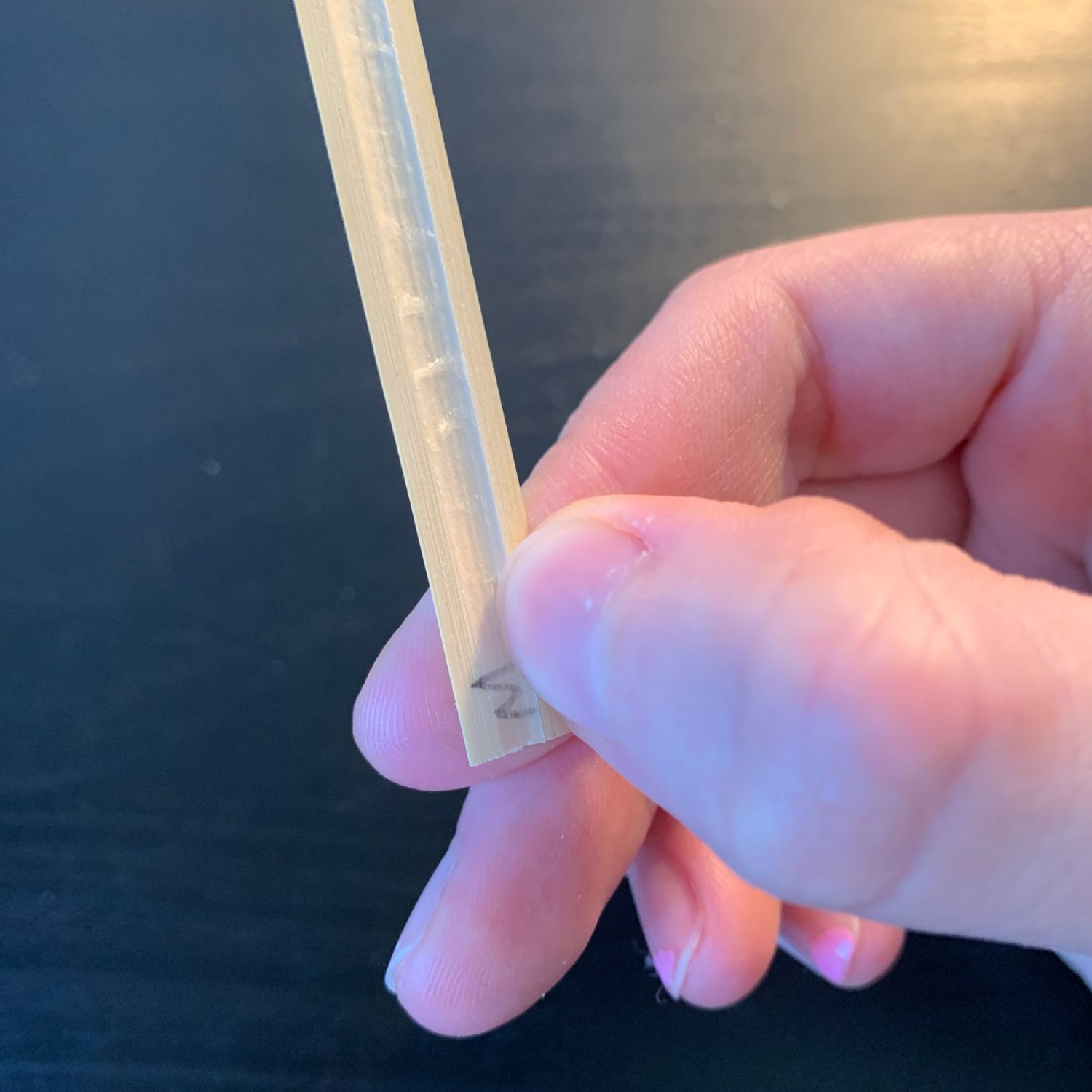
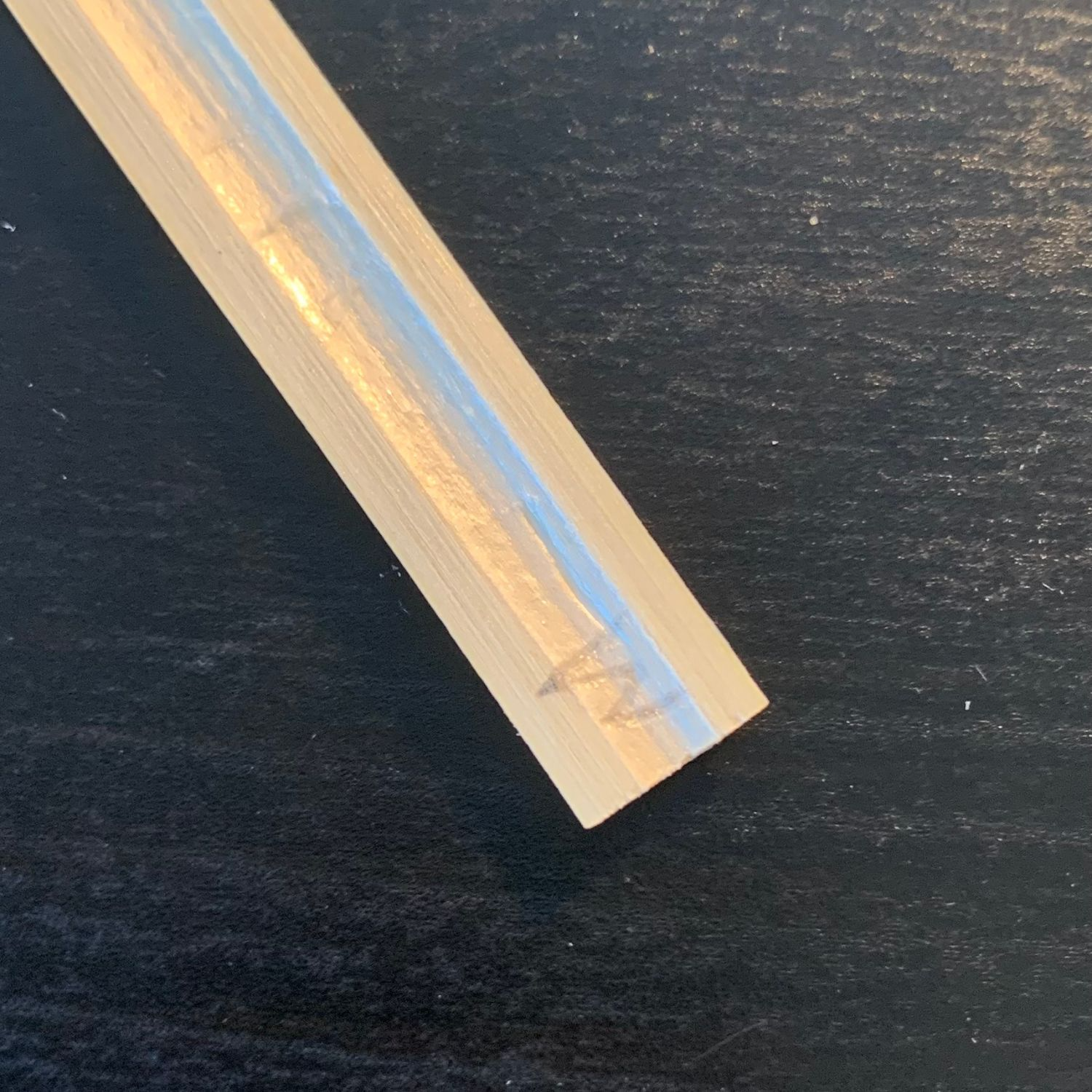
The above piece would be slightly on the softer side, as the dent took a long time to return to its original state.
If you use gouged cane, you can also get a sense of the hardness by twisting a soaked piece of cane. If it springs back to shape, it’s harder, and if it takes more time to untwist, the piece is on the softer side.
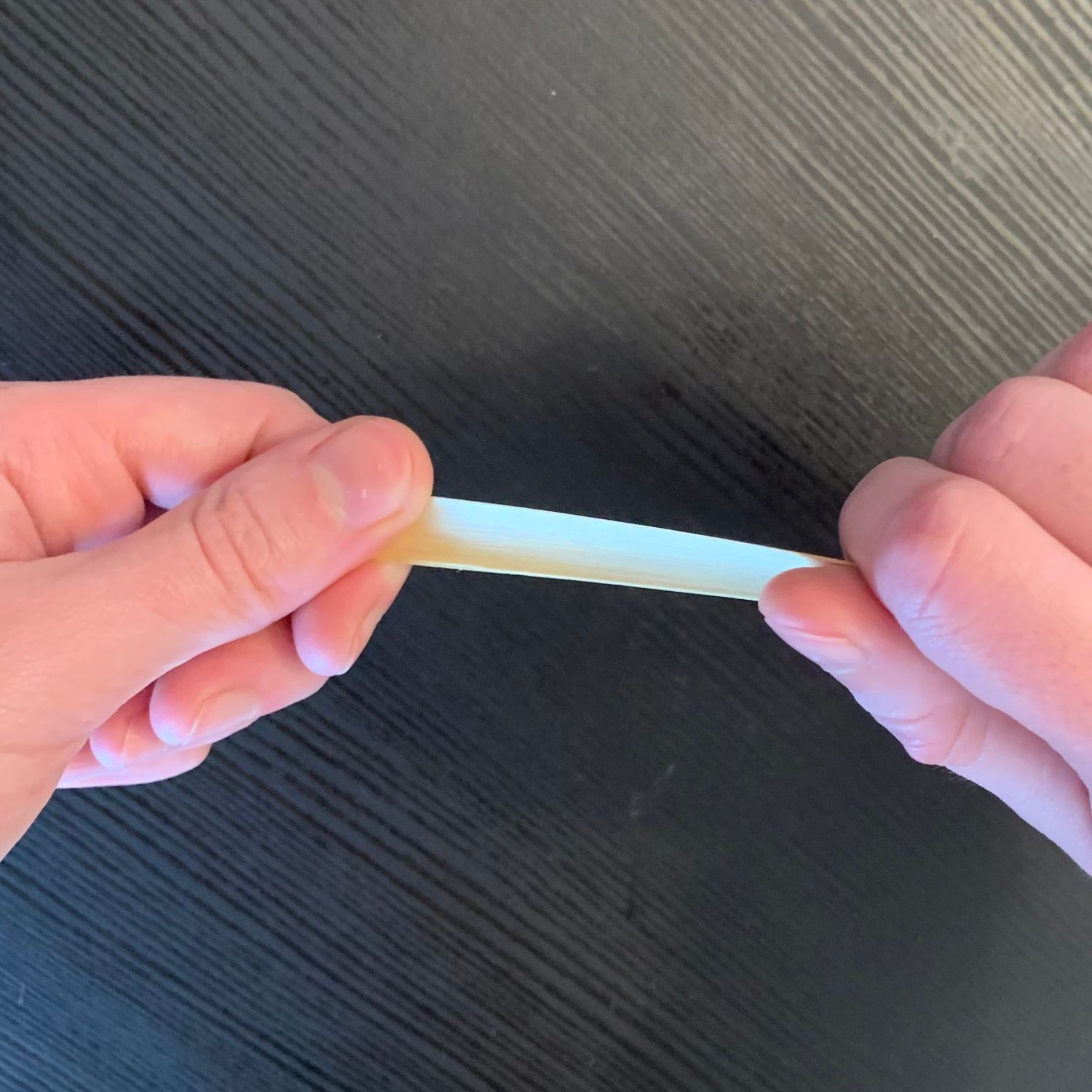
Are Density and Hardness the Same?
In short, yes and no. Oftentimes, a piece of cane that is denser will also be harder, and vice versa, but this is not always the case. It’s the concept of correlation versus causation; just because the variables appear related, it doesn’t necessarily mean that the cause of the change is the same for both variables.
How do Density and Hardness Impact Reeds?
Density impacts how vibrant or dull a reed feels. Denser cane will vibrate more freely and predictably, which can actually make a reed feel easier to play on. Lower density cane requires more force to produce the vibration, therefore making the resulting reed feel harder to play on. Many players will describe low-density cane as ‘mushy.’
On the other hand, hardness impacts how resistant a reed feels. A harder cane will feel more resistant, meaning it requires more air pressure to play. A less hard cane will create a lighter feeling reed.
Another factor impacted by hardness is how long a reed will last. Reeds made of harder cane are more resistant to deformation resulting from articulation, which makes them more durable.
What Causes Density and Hardness Differences in Cane?
A number of factors influence the resulting density and hardness of each piece of cane. Here’s just some examples:
- Climate where the cane was grown
- Weather of the particular year while the cane was growing
- Composition of the soil where the cane grew
- How tall the cane grew
- How fast the cane grew
- The process used to dry the cane, whether in the sun or indoors in a controlled environment
- The unique DNA of that particular plant
- The portion of the plant that the piece of cane came from, whether towards the top or the bottom
As you can see, even a single stalk of cane could produce pieces with varying densities and hardnesses. For that reason, every single piece is unique, and should be treated as such!
Do I Need a Density or Hardness Tester?
It could be really interesting to experiment with a density or hardness testing machine, but in my opinion, it’s not 100% necessary for the average reed maker.
These machines are quite expensive, so they may be a good investment for someone who makes a lot of reeds, anyone with very specific density or hardness preferences in their reedmaking, or a curious soul with funds to spare.
But I don’t personally own either machine, as I find my simple fibre bundle and thumbnail tests to be more than effective. I would definitely be interested in experimenting with them one day though, should I have access to them!
Over time, you will learn what your tolerance limits are on both ends of the spectrum, for both hardness and density. Besides, since each piece of cane is unique, I’d rather adapt my scraping based on how the cane feels under my knife, rather than keeping track of a number on a machine.
Conclusion
While you don’t need to be a scientist to make good reeds, understanding the principles behind density and hardness in cane can have a profound impact on your end results and success rate. If you know why each piece of cane is different, you can then adapt your reed making techniques to create the best possible reed out of each unique piece of plant material. If that’s not art, I don’t know what is.
Have you tried a density or hardness tester? Let us know your experience below!
0 comments